Climate & Environmental Justice Advocate
|
Afrofeminist
|
Environmental Campaign & Event Coordinator
|
Climate & Environmental Justice Advocate | Afrofeminist | Environmental Campaign & Event Coordinator |
A space that explores climate justice issues that lie at the intersection of climate, racial capitalism, colonialism, and heteropatriarchy
Abigail Abhaer Thomas is an environmentalist and climate justice advocate
Hailing from Ethiopia and Nigeria, born in the U.S. and having lived in over five countries, Abhaer has been exposed to the disproportionate impacts of climate change in the Global South from a young age. She has over six years of experience in the climate justice space across a wide spectrum of sectors. Her experience ranges from being the Environmental Employee Engagement Associate and Environmental Programs Coordinator at the outdoor gear and apparel company, Patagonia to working as the Regional Partner Engagement Fellow at the Yale Center for Environmental Justice.
She holds a B.A. in Environmental Studies and Business Studies from New York University and an M.E.M., specializing in People, Equity, and the Environment from Yale School of the Environment.

Ethos & Vision
According to the United Nations Environment Programme (UNEP), 80% of people displaced by climate change are women or girls, due to heightened risks of poverty and exclusion from resources and decision-making processes. It is projected that this will continue to increase with projections that by 2050, climate change will push up to 158 million more women and girls into poverty and cause 232 million to face food insecurity. This exposes how women, femmes, and gender-diverse people, face the most severe and disproportionate impacts of climate change due to structural and systemic inequities. These impacts are compounded further by intersectional and multi-layered identities, including race, class, ability, and age.
Black women, femmes, and gender-diverse people across the African Diaspora are particularly exposed to these impacts at significantly higher rates due to systemic inequities perpetuated by anti-blackness, colonialism, racial capitalism, and heteropatriarchy. This includes higher rates of gender-based violence, discrimination, unpaid domestic labor, and economic inequality. Witnessing these realities has inspired my interest in exploring climate justice issues that lie at the intersection of climate, racial capitalism, colonialism, and heteropatriarchy. I hope to reveal and explore a more expansive view on how to enact climate justice through Afrofeminism, which Patricia Hill Collins defines as a theory that centers the unique intersectional experiences of Black women and feminized people across the Black Diaspora. Rooted in Black feminist theory, African feminist thought, and Black liberatory frameworks, Afrofeminism provides a critical lens that addresses how gendered racism, colonial legacies, and other intersecting systems of oppression.
Through an Afrofeminist praxis (applying Afrofeminist theory into practice), I continue to apply a multi-disciplinary and intersectional lens to my climate justice work, which includes advocacy, environmental campaign and event coordination, research, and writing.
Exploring an Afrofeminist Climate Justice Praxis
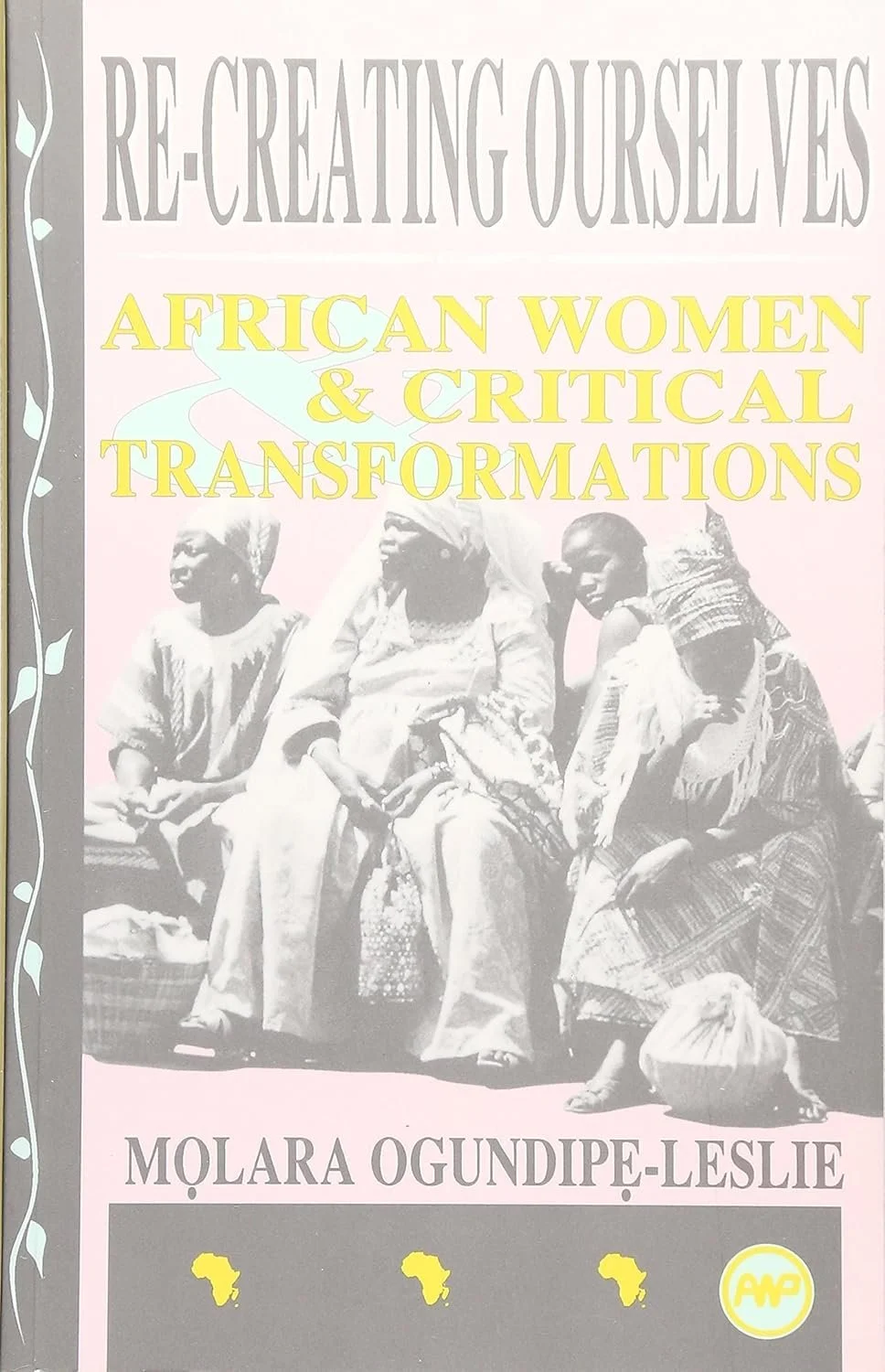
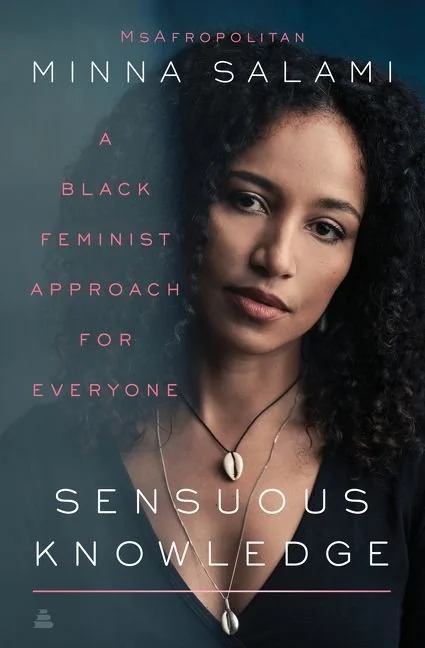
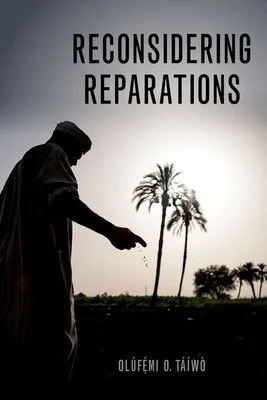
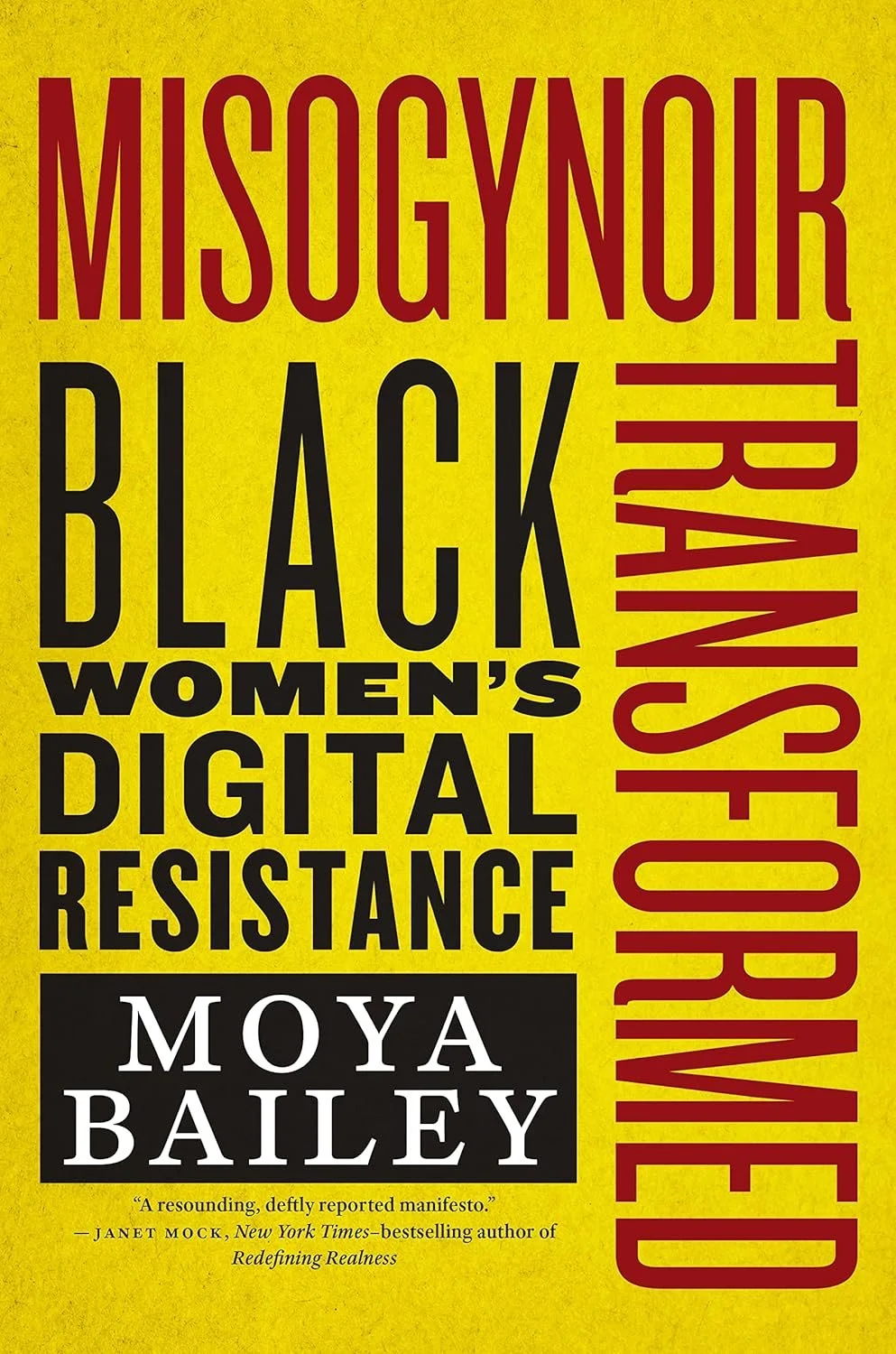
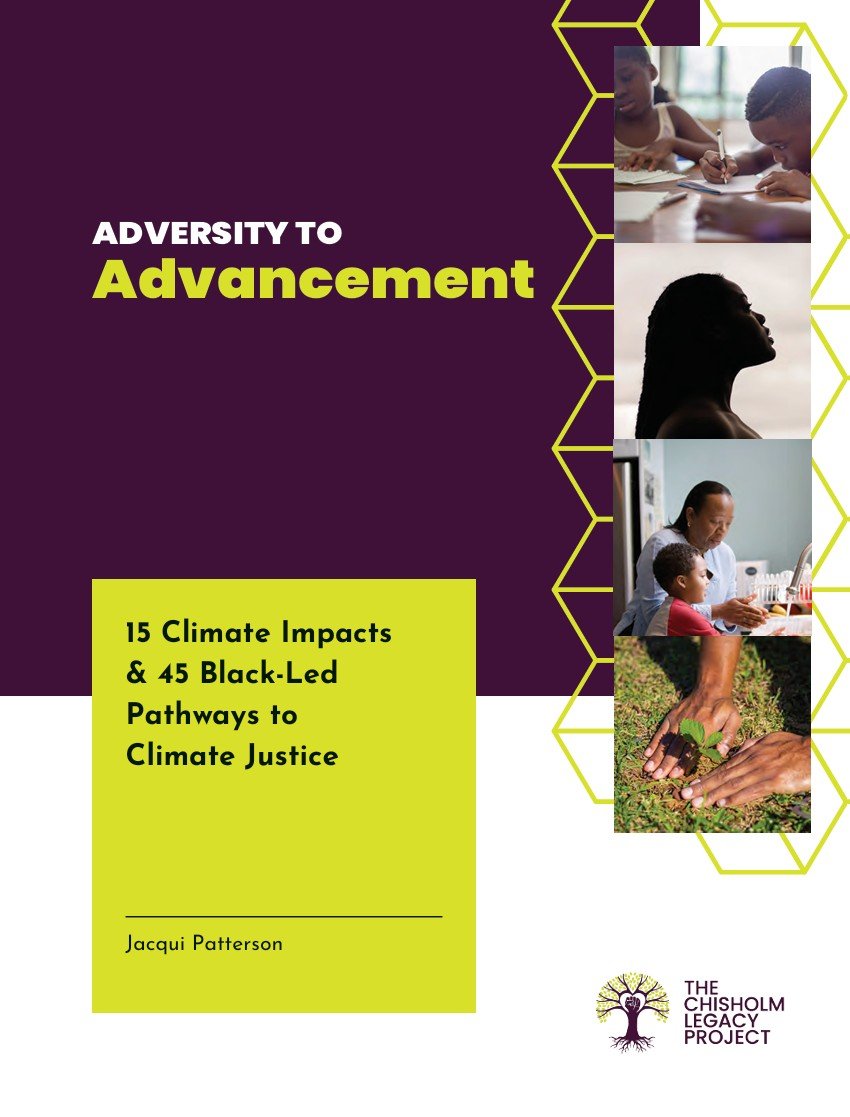
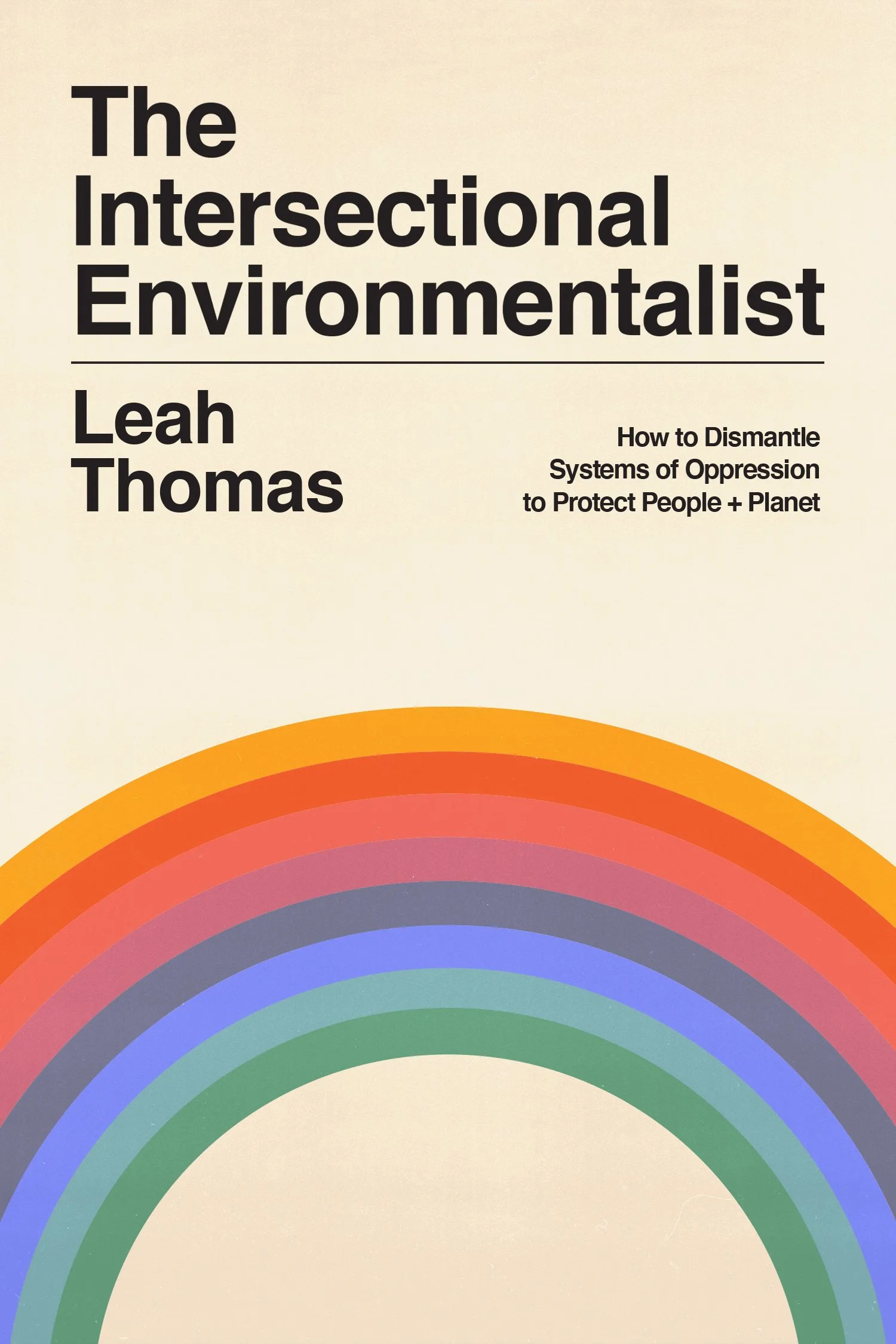
As an ever-evolving practice and theoretical framework, my ideas on Afrofeminism are constantly shifting as I explore, read, and learn more about how to apply this into my work and climate perspectives. There are several books, articles, and reports that have challenged me to think more deeply and have inspired me to focus my efforts on this praxis. Here are a few guiding texts and resources that have helped shape my view and understanding of Afrofeminism. I consistently use these texts (among many others) as a reference point that I always come back to help ground me and expand my viewpoint.